































Blog Group: General Articles (57 posts)
🌟Finalist for the Stars of Children & Young People Awards 🌟
Catherine Namey | 08th April 2026 |
General Articles
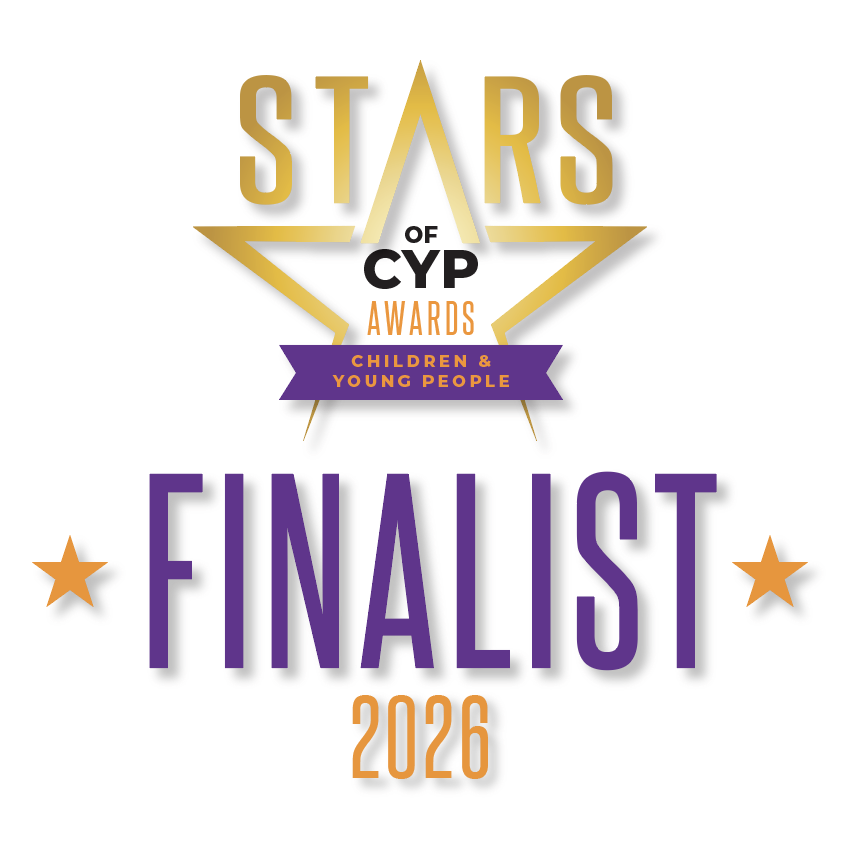
We are incredibly proud to share that our CEO, Emily Aklan, has been shortlisted as a finalist for the Stars of Children & Young People Awards 🌟
Emily has been recognised in the Outstanding Contribution to Children’s Services Award, reflecting her unwavering commitment to supporting, empowering and inspiring young people.
This recognition reflects the impact of the work being delivered every day—supporting young people to feel heard, valued and equipped to move forward with confidence.
At Serenity Welfare, we deliver bespoke, holistic support for children and young people, creating safe and nurturing environments where they feel valued, supported, and empowered to thrive.
Congratulations Emily – a truly well-deserved achievement. 💙...
Proud to Be a Best Place to Work!
Louisa Benbow | 03rd November 2025 |
General Articles

We’re delighted to share that Serenity Welfare has been recognised by The Sunday Times as one of the Best Places to Work 2025 in the Health & Social Care - Small Business category!
This award celebrates organisations across the UK that put their people first, creating workplaces where staff feel valued, supported and motivated to make a real difference.
At Serenity Welfare, we’re passionate about providing children and young people with the highest quality care and support, and that starts with taking care of our incredible team. From ongoing professional development and wellbeing initiatives to a strong sense of purpose and teamwork, we’re proud to have built a culture where everyone can thrive.
Being recognised among the best places to work is a testament to the dedication, compassion and commitment of our staff across every part of the organisation. Thank you to our amazing team - this achievement belongs to you....
VULNERABLE YOUNG PEOPLE NEED SUPPORT, NOT MISINFORMATION
WebBoss Design | 02nd November 2023 |
General Articles
For most of us, our home is where we feel comfortable and where we rest our heads after a long day. But for vulnerable children in care it is so much more than that: it can be a refuge and a safe space where they can feel protected.
Recent investigations have shown that thousands of homeless teenagers have been advised against turning to care homes for accommodation and told to seek cheaper hostels instead.
Reports suggest that social workers have advised vulnerable children in this way, despite hostels lacking the necessary care and support stipulated under section 20 of the Children Act 1989.
These hostels, populated primarily by adults, may offer some financial relief for councils, but they are not the best option for vulnerable young people.
Most children in this situation were fleeing from challenging home environments, so were excited by the idea of an ‘independent living situation.' However, they were offered little consistency or familiarity in an already frightening situation. They also reported being given no support or guidance and felt that this really ‘took a toll on them’ and that they had to ‘grow up rapidly.'
Allowing vulnerable children to grow up in hostels puts them at significant long-term risk, particularly becoming more susceptible to homelessness as an adult. The rising homelessness crisis makes it imperative to address this problem, especially considering that 25% of the homeless population are care leavers. Due to their lack of a traditional and secure family unit, care leavers are often made homeless as they cannot rely on family to offer financial support, and therefore find themselves in potentially dangerous living conditions.
This dilemma can signal the start of a difficult life for care leavers, as heartbreaking statistics reveal that they are up to five times more likely than the general population to die by suicide. They are also far less likely to pursue further education, with only 13% of care leavers progressing to h...
Charities question councils' treatment of teenagers presenting as homeless
WebBoss Design | 17th October 2023 |
General Articles
Children’s charity leaders have raised concerns over reports that children treated as homeless by local authorities rather than as in need of care are not being offered adequate information about their entitlements.
A Freedom of Information request by the BBC sent to all London councils revealed figures for the number of councils who accommodated 16-and 17-year-olds under Section 20 of the Children Act 1989 were low or incomplete.
Homeless children getting in touch with their local authority were reported to be "misled and unsure" when making decisions regarding their accommodation and wellbeing, with some being placed under Section 17 of the act which means they are not classed as looked after.
Residential Care Special Report 2023
Legal Update: Keeping children in care safe
Earlier this year, a teenager took Lambeth Council to court after being placed in hostel arguing that the local authority failed to provide her with appropriate accommodation under Section 20 of the Children Act 1989.
Serenity Welfare chief executive Emily Aklan said: “The situation homeless teenagers are finding themselves in is not only dangerous, but extremely concerning. Purposely misinforming vulnerable young people about their care options represents the actions of a government who prioritise saving money over children’s safety. This worrying and illegal practice is in direct violation of Section 20 of the Children Act and needs to be stopped immediately.”
Under Section 20 of the Children Act 1989, most 16-and 17-year-olds who a local council identify as homeless should be taken into care, according to the BBC.
Child advocacy charity Coram Voice told the BBC that they believe thousands of 16-17 year-olds hadn’t been treated in accordance to child protection laws.
Andrew Dickie, head of services at Coram Voice, said: “Again and again, we find children tell us that they've not been given the full picture about what support they're entitled to. Children tell ...
supporting children in care over the summer holidays
WebBoss Design | 14th August 2023 |
General Articles
Many children associate the summer holidays with family getaways, fun activities, and time with their friends.
However, for children in care, of which 80 per cent suffer a diagnosable mental health disorder, this is frequently not the reality. The lack of routine and school-run activities can curate a stressful and unpredictable environment which can exacerbate these mental health concerns and require extra support. But unfortunately, the very nature of summer school holidays means that the required support is not usually available to vulnerable children in care during the height of summer.
Regular routine helps to create a sense of stability which is essential for healthy physical and emotional development. When a child has suffered trauma, which so many children in care have, managing difficult feelings can be a tough battle making for turbulent emotions and compromised wellbeing.
For any child, routine is important. However due to the lack of structure and support in their home environments, children in the care system are in particular need of support as they often lack the comfort of a traditional family unit. Teachers and school friends often play a huge part in improving looked after children’s lives. Adjusting to the absence of these reliable figures of support over the summer can be incredibly difficult, especially as children in care often suffer from abandonment issues.
Lack of community is another factor children in care struggle with and this is often overlooked. Most children consistently remain in one area throughout their childhood, but children in care are often moved from their hometown across several care facilities; some as many as 500 miles away. This can make it difficult to socialise and pursue hobbies which can create positive relationships and safe environments. Instead, many vulnerable children find the summer holidays isolating and can lead them down a dangerous path such as being targeted by county lines gangs.
County lines gangs a...
Emily Aklan is the founder and chief executive of Serenity Welfare, an organisation that offers comprehensive welfare services for children and young people.
WebBoss Design | 06th February 2023 |
General Articles
Career Overview
Emily Aklan is the founder and chief executive of Serenity Welfare, a uniquely integrated organisation that works with UK-wide local authorities, children’s charities, schools, alternative education provisions, youth Offending Services and other healthcare professionals, offering a fully comprehensive welfare service for children and young people - including those in care - 24-hours-a-day, seven days per week.
Emily founded Serenity Welfare in 2016 after being horrified to discover that children in care - some as young as 10-years-old - were being transported from care home to care home or picked up from police stations after absconding episodes in handcuffs and sometimes with their feet tied.
It was this experience of seeing the challenges within the care and justice systems - and the changes that need to be made - that led Emily to launch the new ‘Hope instead of Handcuffs’ campaign to end the handcuffing of children.
Emily's work and campaigning led to her being named as the Social Enterprise Businesswoman of the year at the Great British Businesswoman Awards in 2023.
Early Life
Emily was born in Holloway, London, residing in Palmers Green with her family before settling in Enfield. At the age of 18, Emily embarked on a career as an estate agent. Discovering that she had a natural entrepreneurial streak, Emily quickly excelled in the industry and progressed to working for large UK housebuilders and boasted an enviable profile in the sector, becoming a director of the company she worked at by the time she was 31. In 2004, Emily made the decision to branch out on her own by launching her own business: a project-directing consultancy operating across the UK, Turkey, Italy and Dubai.
Serenity Welfare
Tragically, Emily experienced the care system herself when her sister died and Emily had to fight to secure custody of her two nieces. Out of concern for what might have happened to her nieces came the idea for Serenity Welfa...
Hertfordshire children’s rights campaign named Social Enterprise Businesswoman of the Year 2022
WebBoss Design | 03rd February 2023 |
General Articles

Hertfordshire based Emily Aklan has been recognised as one of this year’s most exceptional women in business at the second annual Great British Businesswoman Awards. Emily, CEOat Serenity Welfare was honoured as Social Enterprise Businesswoman of the Year.
Emily is one of the UK’s leading children’s rights campaigners. After discovering the appalling way children in care were treated when her nieces narrowly escaped the care system six years ago, Emily devoted herself to helping the UK’s vulnerable children.
As part of her work, Emily founded Serenity Welfare in 2016 after being horrified to discover that children in care – some as young as 10-years-old – were being transported from care home to care home or picked up from police stations in handcuffs and sometimes with their feet tied. It is her experience of witnessing the challenges within the care, justice and health systems, and the changes that need to be made, that led Emily to conduct research on the life outcomes of children in care and launch a new campaign to end the handcuffing of vulnerable children and young people in care.
It is her work in founding Serenity Welfare, campaigning for legal change and providing children in care with alternative transport that does not restrain children under any circumstances, that led to Emily winning the Social Enterprise category.
The programme launched in 2021 to recognise the growing number of trailblazing women in business leadership and entrepreneurship, champion their peers and advocates, and inspire the next generation of businesswomen.
In 2021, over 140,000 female-founded companies were established, a figure that is growing by a third every year, and the number of women in leadership positions in FTSE 100 companies increased to 32.5%, from 30.6% in 2020. It’s thought that this increase in representation of women in business could unlock a huge amount of economic potential, especially as the trajectory continues.
The final t...
Britain’s most inspiring women in business crowned at national awards
WebBoss Design | 03rd February 2023 |
General Articles

The business women leading the way in their industries have been named in the second annual Great British Businesswoman Awards.
The programme launched in 2021 to recognise the growing number of trailblazing women in business leadership and entrepreneurship, champion their peers and advocates, and inspire the next generation of businesswomen.
In 2021, over 140,000 female-founded companies were established, a figure that is growing by a third every year, and the number of women in leadership positions in FTSE 100 companies increased to 32.5%, from 30.6% in 2020. It’s thought that this increase in representation of women in business could unlock a huge amount of economic potential, especially as the trajectory continues.
The final took place at De Vere Grand Connaught Rooms in London as the awards was held in person for the first time, after coronavirus meant the first ever ceremony was held online.
The overall Great British Businesswoman of the Year was awarded to Beth Knight, Amazon in the Community Leader for Europe, whose work surrounds building a better working world for women.
From helping women and girls to advance their careers in technology with programs like Amazon Future Engineer, to overseeing large-scale philanthropy initiatives for refugees fleeing the current crisis in the Ukraine, Beth has been highly commended for the work she has undertaken so far in her career.
The programme was founded by the team behind the Great British Entrepreneur Awards in 2021, who had been blown away by the increasing volume and quality of applications to the prestigious awards series by women in previous years.
The winners were selected by a panel of expert judges from companies including Burberry, easyJet, WarnerMedia, Cabinet Office, Greggs and Heathrow Airport, who all have their own vast experience working within diversity and inclusion.
The Great British Businesswoman Awards were founded by Francesca James, who said that the showcased winners would play an imp...
'All of Manchester's children deserve to live in a safe, warm and loving environment'
WebBoss Design | 04th January 2023 |
General Articles
This Christmas, over 1,300 children in Manchester were living in the city's care system - a seven per cent increase on last year.
More children in care means that the system is coming under more pressure, local politicians have warned. MP for Wythenshawe and Sale East, Mike Kane, is calling for more government support to help the sector.
The labour politician has shared his opinion with the M.E.N on what needs to be done to ensure vulnerable children in Manchester are given the safe home they need.
READ MORE:The Manchester sanctuary that's keeping young women safe this Christmas
The festive season is a time for families to spend quality time together and should be a time of joy for children. But for the 1,385 children in care in Manchester, there is no such guarantee.
The recent John Lewis advert shone a positive light on the care system with a prospective foster father bonding with his foster daughter over skateboarding.
But for children in care in Manchester, more support is needed for them to have the happy childhood that they deserve and for them to reach their full potential once they reach adulthood.
As in many areas of life, the pandemic had a negative impact on the care system. The latest government statistics show that there has been a 7% increase in the number of children in Manchester who have entered the care system.
More children in care means more pressure on the care system, something that we must get right if we are to improve the life outcomes for these vulnerable children.
Early intervention to support vulnerable children in care is vital if we are to help them reach their full potential. The data shows that despite making up around 1% of the population, young people leaving care go on to make up a quarter of the prison and homeless populations, and 40% are not in any form of employment, education or training. These statistics reflect a series of personal tragedies, but they also reflect a wider societal problem that we must fix.
One ...
CARE-EXPERIENCED YOUNG PEOPLE MORE LIKELY TO RECEIVE CRIMINAL CONVICTION THAN PEERS, FIGURES SHOW
WebBoss Design | 15th December 2022 |
General Articles
More than half of looked-after children born in 1994 had a criminal conviction by the time they were 24, official figures have shown.
The data, published by the Office for National Statistics, shows that 52 per cent of care-experienced young people were handed a criminal conviction by age 24, compared with 13 per cent of their non care experienced peers of the same age.
One in seven care experienced children, whose data was examined for the research, received an immediate custodial sentence by the time they were 24, compared with one per cent of young people with no experience of care of the same age.
Special report: Social, emotional and mental health needs
Social workers on the small screen
The figures also show that around 30 per cent of young people with experience of care received an immediate custodial sentence by the time they were 16. The proportion among their non-care experienced peers of the same age was nine per cent.
Two in five of convictions of young people with experience of care involved a fined or community order.
The analysis also shows that looked-after children received their first custodial sentence at a younger age than their non-care experienced peers.
While on average those with experience of care received their first custodial sentence when they were 18, for those not in care the average age was 20 years.
Emily Aklan, chief executive of children’s services organisation Serenity Welfare described the latest statistics as “shocking”.
“These findings are important to highlight that it is children’s circumstances, not the children themselves, which are to blame – children in care are victims of the system.”
“Funding needs to be focused on the very start with early interventions, so that fewer children are exposed to this environment which leads them to the criminal justice system," she said.
Theft and minor non-motoring summary offences, dealt with in a magistrate’s court, were the most common offences ...
House of Lords debate - Independent Review of Children's Social Care - 8th December
WebBoss Design | 12th December 2022 |
General Articles

...
County Lines Digital Conference
WebBoss Design | 23rd November 2022 |
General Articles

Follow the link to see the full schedule.
Read More...
WALES ISSUES GUIDANCE TO REDUCE HANDCUFFING OF CHILDREN IN CARE
WebBoss Design | 25th October 2022 |
General Articles
WALES ISSUES GUIDANCE TO REDUCE HANDCUFFING OF CHILDREN IN CARE
Read More
WALES BECOMES FIRST UK NATION TO BAN CHILDREN IN CARE BEING HANDCUFFED OR RESTRAINED
Read More
Liberal England
Read More
Herald Wales
Read More
Nation Cymru
Read More...
Serenity Welfare are deeply saddened to learn the news of the passing of Her Majesty Queen Elizabeth II and extend our profound sympathy and sincere condolences to the Royal Family.
WebBoss Design | 14th September 2022 |
General Articles

...
MP writes to Secretary of State in support of Hope Instead of Handcuffs Campaign
Fern Champion | 24th May 2022 |
General Articles
This week Marsha de Cordova, MP for Battersea, asked in a written question to the Secretary of State for Education, "what steps he is taking to end the handcuffing and restraint of children in the care system by private secure transportation providers".
This follows a successful drop-in session hosted last week in the House of Commons by Serenity Welfare in the name of the Hope Instead of Handcuffs campaign which was attended by 22 MPs....
The Government must take action to stop data gaps from putting our children at risk
| 09th May 2022 |
General Articles

Mental health is one of the most significant health policy challenges facing decision makers today, yet the solutions – and the funding – are too often found to be wanting.
Real action is needed on key issues such as the prevalence of self-harm amongst young people, yet our understanding of this issue is nowhere near what it needs to be.
For example, there is no way of knowing if a child who has been admitted to hospital for self-harming is one of the 80,850 – and growing – children living in care in England. This is because, as the Government confirmed to me recently, whether a child is care-experienced is not recorded in hospital data.
This isn’t the only area where the government’s data capture is woefully inadequate. On referrals to mental health services and admissions to A&E, the government is failing to provide leadership and set up processes that capture this vitally important data on extremely vulnerable people. This may sound like a relatively dry or esoteric issue, but this worrying data gap means we cannot accurately understand how many children living in the UK’s care system experience or are impacted by self-harm. Without this understanding, we cannot meaningfully address the problem, nor drive improvements for children across the whole care system.
Care-experienced children may be at an increased risk of self-harming as a result of distress and mental ill health linked to adverse childhood experiences and trauma. When a child is admitted to hospital for self-harming, this is one of the few opportunities to understand more about what led the child to self-harm in the first place. This is essential for providing the right support and responding appropriately to the needs of the child. These needs can be very different and in many ways more complex for care-experienced children.
Related
Brexit Has Left A £30m Funding Black Hole At Medicines Regulator
By John Johnston
14 Apr
As the Hope instead of Handcuffs ca...
Care Talk Article
| 05th May 2022 |
General Articles
In my many years of working with vulnerable young people, one thing which never fails to shock me is the negative attitudes targeted towards children in care. The archaic view of looked after children as “little thugs”, responsible for their problems, is more widespread than we might like to admit. The reality couldn’t be more different. Young people in or on the edge of the care system have often faced multipledisadvantages and trauma which most of us could never imagine. In addition, they often do not have the security of a family support network in the same way as other children.
But, however untrue they might be, negative attitudes such as these seep through into how the care system operates. We can see it in issues like teenagers being moved to semi-independent accommodation like hostels, often alone and sharing the premises with grown adults; or the way some of those who work with vulnerable children, like certain private transport providers, still rely on physical restraint and handcuffs to force compliance instead of using supportive de-escalation techniques.
We know from the data how damaging these early experiences can be on a child’s future, and that care leavers face greater risk of poor life outcomes when compared to their peers. For example, as a recent report undertaken by the Hope instead of Handcuffs campaign showed, care leavers make up 25% of the homeless and 24% of the prison population. They are also more likely to suffer with poor mental health and more likely to be classified as Not in Education Employment or Training (NEET), in the years after they leave school.
These statistics demonstrate exactly how looked after children are slipping through the cracks in the system. There is a clear disparity between how the general public view, and therefore treat, children within the care system compared to those outside it. Looked after children are considered to be more responsible for their behaviour and actions than their peers. This l...
Children's rights campaigner Aklan calls for change of narrative around looked after children
| 06th April 2022 |
General Articles
Writing for CareTalk, Emily Aklan, founder of Serenity Welfare and the children’s rights campaigner behind the Hope Instead of Handcuffs initiative, calls for a change of attitude around vulnerable young people and urges government to help dispel the myth that such youngsters are responsible for their own troubles and invest in the services they require.
In my many years of working with vulnerable young people, one thing which never fails to shock me is the negative attitudes targeted towards children in care. The archaic view of looked after children as “little thugs”, responsible for their problems, is more widespread than we might like to admit.
The reality couldn’t be more different. Young people in or on the edge of the care system have often faced multiple disadvantages and trauma which most of us could never imagine. In addition, they often do not have the security of a family support network in the same way as other children.
But however untrue they might be, negative attitudes such as these tend to seep through into how the care system operates. We can see it in issues like teenagers being moved to semi-independent accommodation like hostels, often alone and sharing the premises with grown adults; or the way some of those who work with vulnerable children, like certain private transport providers, still rely on physical restraint and handcuffs to force compliance instead of using supportive de-escalation techniques.
We know from the data how damaging these early experiences can be on a child’s future, and that care leavers face greater risk of poor life outcomes when compared to their peers. For example, as a recent report undertaken by the Hope instead of Handcuffs campaign showed, care leavers make up 25 per cent of the homeless and 24 per cent of the prison population. They are also more likely to suffer with poor mental health and more likely to be classified as Not in Education Employment or Training [NEET], in the years after they leave ...
Children's rights campaigner Aklan calls for change of narrative around looked after children
| 06th April 2022 |
General Articles
Writing for CareTalk, Emily Aklan, founder of Serenity Welfare and the children’s rights campaigner behind the Hope Instead of Handcuffs initiative, calls for a change of attitude around vulnerable young people and urges government to help dispel the myth that such youngsters are responsible for their own troubles and invest in the services they require.
In my many years of working with vulnerable young people, one thing which never fails to shock me is the negative attitudes targeted towards children in care. The archaic view of looked after children as “little thugs”, responsible for their problems, is more widespread than we might like to admit.
The reality couldn’t be more different. Young people in or on the edge of the care system have often faced multiple disadvantages and trauma which most of us could never imagine. In addition, they often do not have the security of a family support network in the same way as other children.
But however untrue they might be, negative attitudes such as these tend to seep through into how the care system operates. We can see it in issues like teenagers being moved to semi-independent accommodation like hostels, often alone and sharing the premises with grown adults; or the way some of those who work with vulnerable children, like certain private transport providers, still rely on physical restraint and handcuffs to force compliance instead of using supportive de-escalation techniques.
We know from the data how damaging these early experiences can be on a child’s future, and that care leavers face greater risk of poor life outcomes when compared to their peers. For example, as a recent report undertaken by the Hope instead of Handcuffs campaign showed, care leavers make up 25 per cent of the homeless and 24 per cent of the prison population. They are also more likely to suffer with poor mental health and more likely to be classified as Not in Education Employment or Training [NEET], in the years after they leave ...
Hope not handcuffs
| 01st April 2022 |
General Articles

In my many years of working with vulnerable young people, one thing which never fails to shock me is the negative attitudes targeted towards children in care. The archaic view of looked after children as “little thugs”, responsible for their problems, is more widespread than we might like to admit.
The reality couldn’t be more different. Young people in or on the edge of the care system have often faced multiple disadvantages and trauma which most of us could never imagine. In addition, they often do not have the security of a family support network in the same way as other children.
But, however untrue they might be, negative attitudes such as these seep through into how the care system operates. We can see it in issues like teenagers being moved to semi-independent accommodation like hostels, often alone and sharing the premises with grown adults; or the way some of those who work with vulnerable children, like certain private transport providers, still rely on physical restraint and handcuffs to force compliance instead of using supportive de-escalation techniques.
We know from the data how damaging these early experiences can be on a child’s future, and that care leavers face greater risk of poor life outcomes when compared to their peers. For example, as a recent report undertaken by the Hope instead of Handcuffs campaign showed, care leavers make up 25% of the homeless and 24% of the prison population. They are also more likely to suffer with poor mental health and more likely to be classified as Not in Education Employment or Training (NEET), in the years after they leave school.
These statistics demonstrate exactly how looked after children are slipping through the cracks in the system. There is a clear disparity between how the general public view, and therefore treat, children within the care system compared to those outside it. Looked after children are considered to be more responsible for their behaviour and actions than their peers. This le...
The awful practice of handcuffing children during transport must end | Sarah Champion
| 05th January 2022 |
General Articles
The awful practice of handcuffing children during transport must end | Sarah Champion
The awful practice of handcuffing children during transport must end | Sarah Champion
Local authorities often use private service providers to transport children in their care, but unlike schools or care homes, transport providers are not required to report when they restrain or use handcuffs on a child
That’s why I'm supporting the “Hope instead of Handcuffs” campaign, which is calling for instances of restraint against looked-after children in private transport to be reported to the proper authorities, as well as an end to the handcuffing, restraining or caging of children, except when there is considerable risk of harm to themselves or others.
It’s extremely concerning that there is currently no obligation for private transport providers to record this appalling practice. This leaves the onus on the child to understand and report what has happened to them. This is entirely unacceptable. We need a system which actively safeguards children and respects their rights.
2021 must be the last year that we allow children to be traumatised by being placed in handcuffs.Sarah Champion is Labour MP for Rotherham and chair of the House of Commons’ International Development CommitteeRegister for free to continue readingRegistration is a free and easy way to support our truly independent journalism
Read More...
The care-to-prison pipeline shows our failure of looked-after children
| 25th November 2021 |
General Articles
The care-to-prison pipeline shows our failure of looked-after children
This problem is rooted in both a lack of protection and a dangerously out-of-date attitude perpetuated from the top down
In the past week, we have heard sombre stories about the state of children’s social care in the UK. The Department for Education revealed that the number of looked-after children has hit its highest number yet – up 1 per cent from 2020 to 80,850 – and the County Councils Network has predicted that this number will hit 100,000 by 2025. We must urgently address the national epidemic of inequality which has been growing silently in the dark.
Read full article...

Horrifying ways County Lines gangs lure kids from cash to computer games - what to watch for
| 23rd November 2021 |
General Articles
In the first episode of the BBC’s new crime drama, The Outlaws, local gang leader Malaki offers teenage Esme £50. “Buy yourself something nice,” he says. It’s a supposedly innocuous interaction, but hints at the darker lengths criminal gangs will go to exploit vulnerable children. Like Esme’s character in The Outlaws, one thing which can put children at risk of being groomed into gangs is lacking stable family or support structures, especially children in or on the edge of the care system.
It’s important though to recognise that any child is at risk of being targeted, even those from supposedly happy families. Older gang members will offer children money and gifts, a lifestyle they might not be able to afford otherwise. Very young, primary school age, children might be offered in-game credit in online games such as Fortnight in exchange for performing small tasks.
This has the distinct advantage to the gang of there being no physical trail, unlike with clothes or cash, with the majority of parents unaware that any bribery has taken place. More than material items though, gangs can offer a sense of community and belonging to which vulnerable young people are particularly susceptible.
In The Outlaws, Esme's brother is forced to commit crimes on behalf of the gang when they threaten her safety. But there are many ways to trap a young person in a cycle of violence. It’s not unusual for gangs to set up robberies of teenagers carrying drugs or money for them, then claiming the individual is indebted to them for the loss.
Young girls might be coerced into performing some sort of initiation task to earn the gang’s trust. This is invariably sexual in nature. Unknown to the young person, this will be recorded secretly and used as leverage to ensure they are unable to leave the gang through fear and embarrassment.
Read full article...
Children in care should not be put in handcuffs when being transported
| 22nd November 2021 |
General Articles
On World Children’s Day, the Labour MPs Sarah Championand John McDonnell write to support the Hope instead of Handcuffs campaign
Saturday 20 November marks World Children’s Day, the anniversary of the UN general assembly’s adoption of the convention of the rights of the child (UNCRC). But despite the UK ratifying the UNCRC in 1991, many children in care are being treated in a way that violates this convention.
According to the UN committee on the rights of the child, restraint against children should only be used if the child poses an imminent danger to themselves or others, under the direct supervision of a medical professional, and only after all other measures have been exhausted. It should never be used to secure compliance or as a punishment, and all incidents should be recorded, monitored and evaluated by the state.
Shockingly, innocent children in care here in the UK are being placed in handcuffs by private providers when being transported. Ofsted has the power to record incidents of restraint in children’s homes, but there is no legal obligation on private transport providers to report any incidents of restraint. This has allowed a data gap to emerge, as there is no way to monitor the practice or hold private transport providers that violate children’s rights accountable.
The Hope instead of Handcuffs campaign is calling on the government to plug this data gap by mandating that all organisations involved in the transportation of children be legally obliged to report any incidents of restraint. Only then can we move one step closer to upholding the rights of these vulnerable children. Sarah Champion MP John McDonnell MP
Read full article...
Children in care are being handcuffed on their way to school and foster homes
| 15th November 2021 |
General Articles

Children in care are being handcuffed on their way to school and foster homes
Children in care can be handcuffed under the law as a last resort. Image: Pixabay
MPs are backing a campaign to make private companies accountable for handcuffing children in care while transporting them.
MPs want to ban vulnerable children as young as 10 from being handcuffed and “treated like animals” while being taken to and from school and foster homes.
Private companies transporting children between care and foster homes, schools and hospitals – often in “caged” vehicles – are legally allowed to handcuff and physically restrain them as a last resort to stop at-risk children harming themselves or others.
But campaigners say the reality is that handcuffs are being used as a “go-to option any time a child shows any sign of resistance” – and unlike other parts of the youth care system, companies are not required to record or report any instances of a child being put in physical restraints.
A letter addressed to Nadhim Zahawi, education secretary, calling for the collection of this information to be made a requirement – with a view to ultimately banning the practice – is now making its way around parliament and has cross-party support. It follows an early day motion to ban the practice tabled by Labour’s Bell Ribeiro-Addy, which has been backed by 25 MPs so far.
“Rather than treating a young person who has already been traumatised and dealing with extremely stressful and life-altering situations with care, kindness and respect, they are treated like animals,” said Emily Aklan, founder of children’s care organisation Serenity Welfare which is behind the Hope Instead of Handcuffs campaign.
These are “innocent children who have not committed nor been suspected of committing a crime,” she added.
Read full article...
Job Alert: Childrens Crisis Intervention Key Worker
| 29th October 2021 |
General Articles
Childrens Crisis Intervention Key Worker
At Serenity Welfare we look after children in Crisis when no one else can. This is more that a support worker role, you will need to have a nurturing approach and be passionate, resilient, and committed to promoting the physical, emotional, and intellectual wellbeing of the children we work with.
They can have complex needs and trauma related behaviours from being exploited in areas such as Drugs, Gangs, Violence, Sexual and Criminal Exploitation. They may also have Mental Health and Learning disabilities.
If you have the skills to mentor and support a child or young person to bring about change in their lives, assisting them to achieve their full potential then we want to hear from you.
Main Duties and responsibilities
Working as part of a team, build a professional relationship with the children/young people based on trust enabling them to feel safe and secure in our care.
Adhere to risk assessments and implement strategies to address and improve the child’s self-esteem and behaviour.
Coach, mentor and support the young person to encourage greater social inclusion.
Have effective communication skills, be able to assess and respond to the individual needs of the child and guide them on various topics including health, fitness, smoking, life skills, social inclusion.
To assist in the provision of meals in the home. And if age and risk appropriate teaching the children to cook.
Implementing strategies such as planned daily activities, organised recreational activities and other interventions as directed.
Attend regular training and development opportunities to maintain up to date knowledge on key topics suck as Safeguarding, First Aid, and other local Policy documents.
Undertake administrative tasks and maintain effective recording systems.
To adhere to Company policies and procedures.
To work as part of a team, you are supported in this role by a Team Manager and the company DSL (Designated Safeguarding L...
Best Businesswomen Awards 2021
| 21st October 2021 |
General Articles

Best Businesswomen Awards 2021
The Best Businesswomen Awards have announced their winners for 2021 at a Gala Final held at the Hilton Wembley.
Our CEO Emily Aklan has won the Best Businesswomen Gold Award for Children and Families category in this prestigious competition which seeks to find the very best female business talent from across the UK and Internationally.
Despite a global pandemic, the sheer resilience of female entrepreneurs shone through. All winners, selected by a panel of business experts, demonstrated a flair for entrepreneurship, tenacity, and determination.
The Best Businesswomen Awards are designed to recognise the achievement of those women across a wide range of business categories and are open to any female business owner not just from the UK, but a new category for 2021, International Businesswoman, recognises women based anywhere in the world!
The judges commented Best Businesswoman working with Children and Families
An incredible business model and growth, well done to this superwoman behind this phenomenal empire that places the care and needs of vulnerable children ahead of profit. The judges were truly blown away by her achievements to date, the future plans . This female entrepreneur is making waves in her the care and mental health sectors.
Our CEO Emily Aklan comments; “I’m delighted to have won this Best Businesswomen Award and feel very privileged to be nominated among a group of such exemplary, industry-leading women
“None of the work we do at Serenity Welfare would be possible without my fantastic team, who are all passionately committed to having an impact on the lives on vulnerable children. Young people in the care system are so often forgotten about and left behind, but by treating them with dignity and respect we can support looked after children to expand and achieve their dreams.”...
'Drugs gang groomed me and I left at 22 with no job, no identity and severe depression'
| 06th August 2021 |
General Articles

Jayden was just eight years old when he ran his first errand for his Uncle Alex.
“He asked me to run a package three bus stops down,” Jayden says. “It’s like at school when you get picked to take the register back to the office. You feel pleased you’ve been chosen. They say, ‘well done’ – it makes you feel good.”
p:nth-of-type(2)","sizes":[[8,8]],"hideOnSensitiveArticle":true,"relativePos":"after","additionalClass":"in-article","name":"div-gpt-ad-vip-slot","type":"VIP","bidders":{"ozone":"1420432300"}}" data-gpt-placeholder="" data-response-start="1771.5" data-type="gpt" data-gener8="replaced">
Jayden’s parents were going through a financial crisis after a bad investment. Uncle Alex, a close family friend, was happy to step in and pay for trainers, haircuts, spending money.
“I didn’t have the greatest relationship with my mum and dad,” Jayden says. “There wasn’t a lot of love there. I always wanted to be around Uncle Alex instead.”
In fact, Jayden was being groomed to become part of a drug gang, one of more than 27,000 young people across the UK involved in ‘County Lines’ operations across the UK. Around 600 County Lines – where gangs and organised crime networks use dedicated phone or “deal lines” to distribute illegal drugs – were identified by the National County Lines Co-ordination Centre last year alone.
“By the time I was 16, I’d got really good GCSEs,” Jayden says. “I wasn’t in any trouble with the police. I wanted to be a paediatrician. I didn’t know the steps to take to be a paediatrician, but I was shown how to sell drugs. They gave up the time to invest in me.”
Jayden is 30 now and spends his time educating young people about gangs via the Serenity Welfare programme. He is speaking out because of the explosion in recruitment of children following the pandemic. Covid-19 has seen the perfect storm of job losses, family breakdown, lockdown school closures and drug use rocketing as Britai...
Hope instead of Handcuffs event with Steve McCabe MP
| 22nd July 2021 |
General Articles
Event organised by the Hope instead of Handcuffs campaign to discuss the alarming use of restraint against innocent children in the UK's care sector.
Watch Now...
MPS CALL TO END USE OF HANDCUFFS ON CHILDREN IN CARE
| 13th July 2021 |
General Articles

Dozens of MPs have joined forces to call on the government to ban the use of handcuffs on children in care.
MPs have called for an end to handcuffing children in care. Picture: Adobe Stock
Ministers are backing the Hope Instead of Handcuffs campaign, launched by Emily Aklan, chief executive of children’s social care provider Serenity Welfare, which is calling for legislation allowing a child in care to be handcuffed during secure transportation to be scrapped....
View Full Article...
Steve McCabe MP to host Hope Instead of Handcuffs online roundtable event
| 13th July 2021 |
General Articles
As media and political support continues to grow for Serenity Welfare’s Hope Instead of Handcuffs campaign, leading supporter Steve McCabe MP will host an online roundtable event on 20th July to discuss how to tackle the use of restraint against children in care and how to support better vulnerable young people.....
View Full Article...
SAFECONF
| 22nd June 2021 |
General Articles

SAFECONF
Our annual safeguarding conference took place on 6 March. You can watch the videos and presentations from the day as well as previous events below which provide excellent CPD.
View Full Article...
CALL FOR MORE YOUTH WORKERS TO TACKLE EMERGING GANGS THREAT
| 19th May 2021 |
General Articles
CALL FOR MORE YOUTH WORKERS TO TACKLE EMERGING GANGS THREAT
Fiona SimpsonTuesday, April 27, 2021
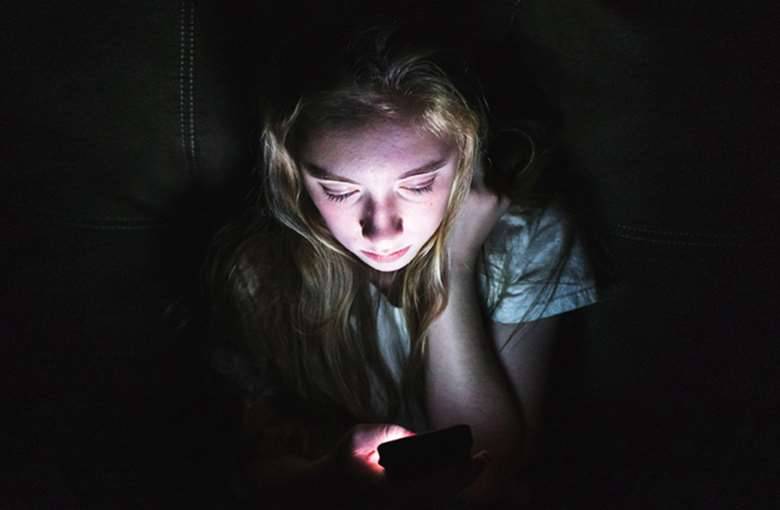
The pandemic has changed the methods criminal gangs use to exploit children. Experts say the shift is exposing young people from rural and affluent areas to greater risks, who will need the support of 10,000 more youth workers.
Gangs use social media to groom and recruit children in their criminal operations. Picture: Brian/Adobe Stock
Gangs exploiting vulnerable children to carry out criminal activity have adapted their approach during the Covid-19 pandemic creating new risks for young people, campaigners warn.
Despite three national lockdowns and the closure of schools – where gang members have historically targeted children outside of the school gates – young people from both vulnerable and more affluent backgrounds are being increasingly groomed via social media channels, new research from the National Youth Agency (NYA) shows.
Safeguarding experts warn that changes triggered by the pandemic in how gangs operate pose an even greater challenge for police, social workers and youth workers to protect children and young people and requires a collective and creative response from agencies.
Social media
Experts have cited the use of social media as one of the biggest factors in grooming children to join gangs as, according to the NYA, “the unexpected nature of the connections made between people online can be more difficult to pre-empt and to safeguard against”.
Young people are groomed via apps including Snapchat and WhatsApp where messages which disappear quickly or are encrypted means “it is difficult to keep track and unexpected associations are being formed between young people, gangs and drug dealers both locally and across county lines”, the Between the Linesreport adds.
The report also highlights a trend of gangs using traditional social media platforms to groom children, as well as the use of lesser-known apps which police are unable to i...
We must pledge to change our approach to looked-after children
| 19th May 2021 |
General Articles

Children in the care system are some of the most at risk in our society. As the scandals of recent years have shown, when issues arise in this system the voices of looked after children are often lost or silenced.
One problem that is clear time and again is that children from troubled backgrounds are often treated as a problem to be solved rather than a person to be nurtured.
A recent report ‘Lives transformed, potential fulfilled’ detailed the impact that this has: children who have been in care make up 25% of the homeless and 24% of the prison population, and just 13% of care leavers progress to higher education by the age of 19. Mental health provision in many areas is poor and a survey for the care leavers charity Become found that 50% of children in care and 51% of care leavers agreed that, ‘People think that it is children’s fault that they are in care.’
Also included in this report is deeply disturbing accounts of unnecessary physical force being used against children in the care system, such as being placed in handcuffs or transported in caged vehicles like a police van.
These aren’t children and young people accused of a crime, rather they are children in the care system who need to travel to or from residential homes, hospitals or schools. It’s dehumanising and, shockingly, this isn’t even a problem we can begin to quantify. Private companies who are hired to transport vulnerable looked after children from A to B aren’t required to record the number of times they use restraint or why it was supposedly necessary.
Children’s transport provider Serenity Welfare, who funded the report, are calling for greater government oversight in this area. Founder Emily Aklan says that, since the company’s inception 5 years ago, by using de-escalation and mentoring they have never had to use handcuffs on a child. In short – they treat these children how they would want their own family to be treated.
Over the past decade, we have seen a 25% increase...
EARLY INTERVENTION INVESTMENT COULD SAVE COUNCILS £7BN
| 20th April 2021 |
General Articles
EARLY INTERVENTION INVESTMENT COULD SAVE COUNCILS £7BN, RESEARCHERS SAY
Joe Lepper
Thursday, April 15, 2021
Councils in England with above-average rates of looked-after children could save a total of £7bn over the next decade by focusing on early intervention policies that target vulnerable families, according to researchers.
Early intervention services could prevent poor mental health outcomes for looked-after children, research shows. Picture: Adobe Stock
The research focuses on the long-term savings that can be achieved through early intervention strategies across four areas, which have a higher than England's average rate of looked after children, which is 67 per 10,000 children.
Analysis: Rethinking early intervention
Research: Machine learning in children’s services - does it work?
According to a report looking at the research, called Lives Transformed, Potential Fulfilled, published by care provider Serenity Welfare, in the North East, where the rate is 108 per 10,000 children, as much as £1.5bn can be saved by 2030 through early intervention.
In the North West, which has a rate of 97 per 10,000 children, the saving could be £3.3bn.
While in Yorkshire, where the rate is 77 per 10,000, it is estimated that £800,000 could be saved, and in the West Midlands, which has a rate of 82 per 10,000, the estimated saving over the same period could be £1.4bn.
The savings can be achieved through averting damaging outcomes for children in later life says the research highlighting that a quarter of homeless people have experience of care.
Looked-after children are also three times more likely to leave school before higher education compared with children outside the care system.
Children in the care system are also two-and-a-half times more likely to be not in education, employment or training (NEET). The research says that the annual economic cost to taxpayer due to lost earnings and tax...
How can we help children in a mental health crisis?
| 19th February 2021 |
General Articles
Emily Aklan is Founder & CEO of Serenity Welfare, a children’s welfare provider offering a range of services from secure transport to crisis intervention. With the effects of the pandemic undoubtedly impacting on the wellbeing of children, there has never been a time when promoting good mental health of children in care has been so important. Care Talk caught up with Emily to find out how a child-centred approach can be practically and successfully applied to children suffering from mental health problems.
The pandemic has had a hard impact on cared-for children’s mental health, as it has on all children, what can the industry be doing right now to help children in a mental health crisis?
The fallout from the pandemic has, and will continue to, hit vulnerable children and young people in care the hardest causing increases in self-harm, suicidal thoughts and eating disorders. Social distancing measures and lockdowns have caused a massive uproot of routine and lack of support, so it’s vital for care workers to bring as much structure as possible to young people’s days, and ensure there is sufficient time dedicated to mentoring to support their emotional and mental needs.
How can we best support children in care’s mental health as we navigate the path back to normal life?
When the lockdown restrictions end, new mental health issues will present themselves. I predict that we’ll see forms of agoraphobia, social anxiety, and depression when children and young people can start socialising as normal. Children’s brains are still developing, they have missed crucial social interactions to build their emotional skills. Relationships from last year may have fizzled out or drastically changed, so we need to ensure that we are checking in on the health of children’s social lives and dexterity.
What long-term impacts do you see as a consequence of the past year?
As well as the mental health impacts mentioned above, something which I believe we must ...
Emily Aklan: I quit a high-flying job in construction to help society’s most vulnerable children
| 10th February 2021 |
General Articles
Emily has enjoyed a successful real estate career, and was only 31 when she started running her company. But her life took a different direction when her sister passed away and her ex-husband took their children and left the country. After a long legal battle, she managed to earn custody of her sister’s children. There began a new horizon for her, linking even more with support for children in need. In a way, she has revolutionised the child care system. In this interview, she reveals that she transports children in comfortable “Mercedes” and not in caged vehicles, or children with handcuffs. In her goals for 2021, she says that will improve her company’s service to be an added aid to the next generation of her country.
Your job now is in the social care sector, yet this is not how your career started. What did you do before founding Serenity Welfare?
I started my career as a real estate agent in the early 1990’s. I had to balance climbing the career ladder with being newly wed and raising a young daughter. At that time, working as a woman, as a mum… was challenging – especially in my industry. There were so many expectations to balance whilst I stayed true to my own goals.
It was tough, but it paid off. I was a director in a construction company by the time I was 31 and the only woman on the board. I eventually branched out and started my own construction business, providing project-directing consultancy in the UK, Turkey, Italy and Dubai.
View Full Article...
The mental scars left behind when we handcuff children
| 04th February 2021 |
General Articles

During Children's Mental Health Week, Emily Aklan says the unnecessary an unregulated physical restraining of children is a shocking practice that must be addressed...
Professional Social Work magazine, 4 February, 2021
Many of us have struggled over the last year, but for most, these struggles will ease once life returns to some sense of normality.
Sadly, for many vulnerable children and young people in care, the results of the challenges they are facing will continue to have a profound impact on their mental health long after the pandemic is over. One of the most shocking challenges they endure is the mental effects of being physically restrained.
Physical restraint refers to any technique used to restrict the movement of children and young people. From first-hand experience of working with children in care, the most distressing of all of these are the acts of handcuffing and head control.
While there are a few occasions where such measures are necessary, for example where there is a considerable risk of the child harming themselves, I have been horrified to see so many vulnerable young people in the UK being handcuffed or restrained in inappropriate settings and without any justifiable cause.
Unmonitored, unregulated: this is a nationwide scandal going largely unnoticed in the UK. Every day in the UK, vulnerable children and young people are treated like criminals, despite the practice being condemned by the Children’s Commissioner, the UN Committee against Torture, and at the UN Convention on the Rights of the Child.
This is happening as they are transported to new care homes, to courts, and from police stations; it is vital to note that these are not youth offenders we are talking about here, simply children whose only ‘crime’ is coming from a troubled background completely out of their control.
They are simply written off as ‘difficult’, treated as lesser, without kindness or empathy for their situations.
One example that sticks in my min...
THE PANDEMIC IS GOLDEN OPPORTUNITY FOR GANGS WHO PREY ON VULNERABLE CHILDREN
| 04th February 2021 |
General Articles
While all of us have felt the impact of Covid -19, for children in care it has compounded the circumstances which make them most vulnerable.
Like the rest of the country, looked-after children have faced increased isolation and disorder as a result of isolating restrictions. The mental toll of lockdowns cannot be understated, with many reports showing increasing rates of poor mental health.
For children in care however, this loss is especially acute. Having often already faced a significant amount of trauma and disruption in their lives, looked-after young people have a heavier reliance on the structures and routine of school and extracurricular activities. They also gain more from alternative support networks such as friends or teachers, outside of the traditional family setting.
Under lockdown restrictions however, their routines have been thrown into disarray and these crucial connections have been cut off or drastically reduced.
These factors can cause low mood, poor self-esteem and a sense of not belonging, difficulties in and of themselves – but also exactly the kind of mental health issues which make a young person more vulnerable to exploitation.
Gangs, for example, will prey on isolated children knowing they have less people to talk to. A lonely child is more likely to accept an offer of friendship or recruitment from a gang member because it gives them a sense of belonging.
What we’ve also seen throughout the pandemic is a shift in how gang recruitment operates. While many of the routes which gangs would normally use to target children have been cut off, such as meeting them outside school gates or fast-food restaurants, other techniques have increased exponentially.
Turning to social media, gangs are using platforms such as Snapchat to reach young people, and sending them money online as well via platforms like PayPal.
Again, this issue is exacerbated by the isolation of social distancing restrictions. The fact that targeted gang recruitm...
Examining the Covid-19 impact on children in care this Children's Mental Health Week
| 02nd February 2021 |
General Articles

Discussions for Children’s Mental Health week have never been more important than this year. As we enter 2021, we leave behind us a truly unpredictable year, only with months of uncertainty ahead – it’s no wonder the conversation around young people’s mental health is a top priority.
The mental health of this generation’s children has never been more critical, or more precarious. But what about children in the care system? Often overlooked in the wider discussion on young people’s mental health, the pandemic has brought heightened struggles. Many looked after children are suffering from the trauma of constant change, uncertainty, fear and distrust in normal times, only to be intensified by the disruption and worries for the future brought about by the pandemic.
We’ve seen a dramatic increase in mental health issues in direct correlation with the severity of lockdowns – most notably, eating disorders, self-harm and suicide attempts. Although by no means an exhaustive list, we’ve identified key influencing factors of the pandemic affecting mental health crises in care homes:
Lack of routine: for vulnerable children, those who are looked after or are working with social workers, the upheaval of routine will have a hugely adverse effect on their mental health. Research throughout the last decade has proven that a stable routine is key for mental wellbeing and school performance. For vulnerable and looked after children, they do not have the luxury of a steady home life to fall back on when their school, extracurricular and social routines were shattered. These are young people who are already dealing with trauma from abuse, neglect, abandonment – this upheaval in the few routines they could rely on has caused a massive increase in anxiety and self-harm.Academic struggles: all vulnerable children have been offered the opportunity to continue classes in schools; some decision makers will have taken this up whilst others learnt virtually. No matter w...
Tackling exploitation with mentoring: Serenity Welfare’s Emily Aklan to speak at The Children in Care Conference 2021
| 29th January 2021 |
General Articles

The Covid-19 pandemic has proven a significant test to the resilience of children’s social care services in the UK. An already overburdened industry has had to take on the challenge of assisting children and young people in care who are facing long periods of heightened stress and isolation, meaning that the right support is more critical than ever before.
Throughout the crisis, the government has recognised that working together with care sector bodies and ensuring an individualised approach are vital to ensuring that children in care can maximise their potential.
The Children in Care Conference 2021, which will take place on February 11, is the latest edition of an annual event that aims to provide a host of updates from key organisations working with children in care and chart a way forward for children’s social care. This year's edition will see a change in focus in these trying times, with key issues on the agenda including industry best practice, safeguarding and mental health support in the context of the pandemic. As has been the case in previous years, the conference will also provide opportunities for participants to network with fellow industry operators, sharing insight, challenges and strategies to help overcome existing issues.
Serenity Welfare is a known provider of welfare and secure transport services for looked-after children and young people. Its CEO, Emily Aklan [pictured], will be attending this year’s conference as a guest speaker after Serenity was recognised as a market leader through its Hope Instead of Handcuffs campaign.
Speaking to The Leaders Council, Aklan commented: “We are delighted that Serenity Welfare has been recognised as market leaders through our current campaign, and that considering this I have been requested to be a guest speaker at this year’s Children in Care Conference. This is truly a privilege.”
Aklan intends to use the platform as an opportunity to address the emerging issue of county lines gangs targe...
“A leader has to lead from the front”: Serenity Welfare’s Emily Aklan discusses the leadership philosophy behind her success and her post-Covid ambitions
| 15th December 2020 |
General Articles

Emily Aklan is the founder and chief executive of Serenity Welfare, a uniquely integrated organisation that works with UK-wide local authorities, children’s charities, schools, alternative education provisions, youth offending services and other healthcare professionals to offer a fully comprehensive 24/7 welfare service for children and young people, including those in care.
Serenity was born out of Emily’s personal horror at the revelation that children in care, some as young as the age of ten, are often transported from care home to care home or picked up from police stations following acts of absconding in handcuffs, sometimes with their feet tied together. Empowered by the desire to make a change within the care and justice systems, Emily not only devised a new and secure means of transporting at-risk young people in a dignified, comfortable and humane way, but she also masterminded the ‘Hope instead of Handcuffs’ campaign to end the handcuffing of children, and her remarkable work has continued even throughout a tempestuous 2020 which thrust the challenges of the Covid-19 pandemic before the sector.
After Emily’s incredible work saw her put forward as a nominee for a Queen’s Honour, we were keen to understand the leadership that had gone into making Serenity Welfare the successful business that it is today.
Sitting down with The Leaders Council’s Matthew O’Neill, Emily revealed in a candid interview that she had always held a philosophy that leaders must understand the every day trials and tribulations of their staff working on the frontlines in order to be able to lead effectively.
Emily explained: “A leader has to lead on the frontline and as a leader you need to understand what your frontline services our doing in order to lead. My ethos has always been that you have got to understand what the frontline are doing and the only way to do that is to have actually done the job yourself.”
Recalling the early days of establishing Serenity...
Serenity Welfare Team Building Day 2020
| 05th November 2020 |
General Articles

We had a amazing day of events centred around Games of Thrones . Our passionate team enjoying a well deserved break having lots of fun !!...
Emily Aklan from Serenity Welfare appears in Leaders Council podcast alongside Lord Blunkett
| 03rd July 2020 |
General Articles

Emily Aklan from Serenity Welfare appears in Leaders Council podcast alongside Lord Blunkett.
The Leaders Council of Great Britain and Northern Ireland is currently in the process of talking to leadership figures from across the nation in an attempt to understand this universal trait and what it means in Britain and Northern Ireland today.
Emily Aklan from Serenity Welfare was invited onto an episode of the podcast, which also included an interview with Lord Blunkett. Host Matthew O'Neill asked both guests a series of questions about leadership and the role it has played in their careers to date.
Matthew O'Neill commented, ‘Hosting a show like this, where you speak to genuine leaders who have been there and done it, either on a national stage or within a crucial industry sector, is an absolute honour.’
Lord Blunkett, chairman of The Leaders Council of Great Britain and Northern Ireland said, ‘I think the most informative element of each episode is the first part, where Matthew O'Neill is able to sit down with someone who really gets how their industry works and knows how to make their organisation tick. Someone who’s there day in day out working hard and inspiring others. That’s what leadership is all about.’
You can listen to the podcast in full here: http://www.leaderscouncil.co.uk/members/emily-aklan...
Parliamentary Review 2020
| 20th March 2020 |
General Articles

A Message from Lord Pickles and Lord Blunkett, followed by Serenity Welfare's best practice article
The ability to listen and learn from one another has always been vital in parliament, in business and in most aspects of daily life. But at this particular moment in time, as national and global events continue to reiterate, it is uncommonly crucial that we forge new channels of communication and reinforce existing ones. The following article from Serenity Welfare is an attempt to do just that. We would welcome your thoughts on this or any other Parliamentary Review article.
View the pdf here
View the whole article here...
Corona news
| 12th March 2020 |
General Articles

Dear Colleagues,
We want to write to you directly to keep you informed of the steps we are taking to ensure our Serenity Team are prepared for all scenarios relating to the Coronavirus as our number one priority is for the safety of the children and young people we work with
Keeping all our children and young people safe is our primary focus and we are therefore prioritising additional actions including increasing cleaning across our office, the locations in which we work and in our transport vehicles.
It is worth remembering that although COVID-19 is receiving much attention, it is still relatively confined. However as this is an unusual scenario for all of us,
We are fortunate in that Serenity Welfare headquarters is situated in an isolated location and its natural, organic setting provides the social distancing required to ensure our staff are not placed at risk of contamination.
Ultimately, we are making sure we are prepared for every eventuality and best placed to keep all of you safe while continuing to meet our clients’ needs. We also hope it gives all of you the confidence to know we are constantly reviewing our approach on a daily basis.
Below we've summarised a few practical things however there is exceptionally comprehensive guidance links below for you to follow - that should be saved and consulted regularly.
ACTION FROM EVERYONE - NO EXCEPTIONS
Be prepared: Everyone must ensure that they repeatedly and consistently wash their hands - and use the sanitised hand gel that is available at headquarters, our supervision venues and in our transport’s vehicles.
Transport: we will ensure that all our cars are thoroughly cleaned following a transport to prevent any cross-contamination to ourselves and the children & young people we work with.
Supervisions and Support Services: To avoid any cross contamination, we will now ensure that we ensure consistency in our rota, so the same two professionals work together. However, sh...
Safeguarding Conference 2020
| 09th March 2020 |
General Articles

The Safeguarding Conference 2020 . We are delighted to announce Peter Wilson as a guest speaker presenting the Gangs & County lines talks to over 300 Head teachers and safeguarding officers for schools across London and the home counties , well done Peter and the rest of the Serenity Welfare team.
View the gallery here...
A great day out for the Mentoring team
Chris Priest | 21st March 2019 |
General Articles
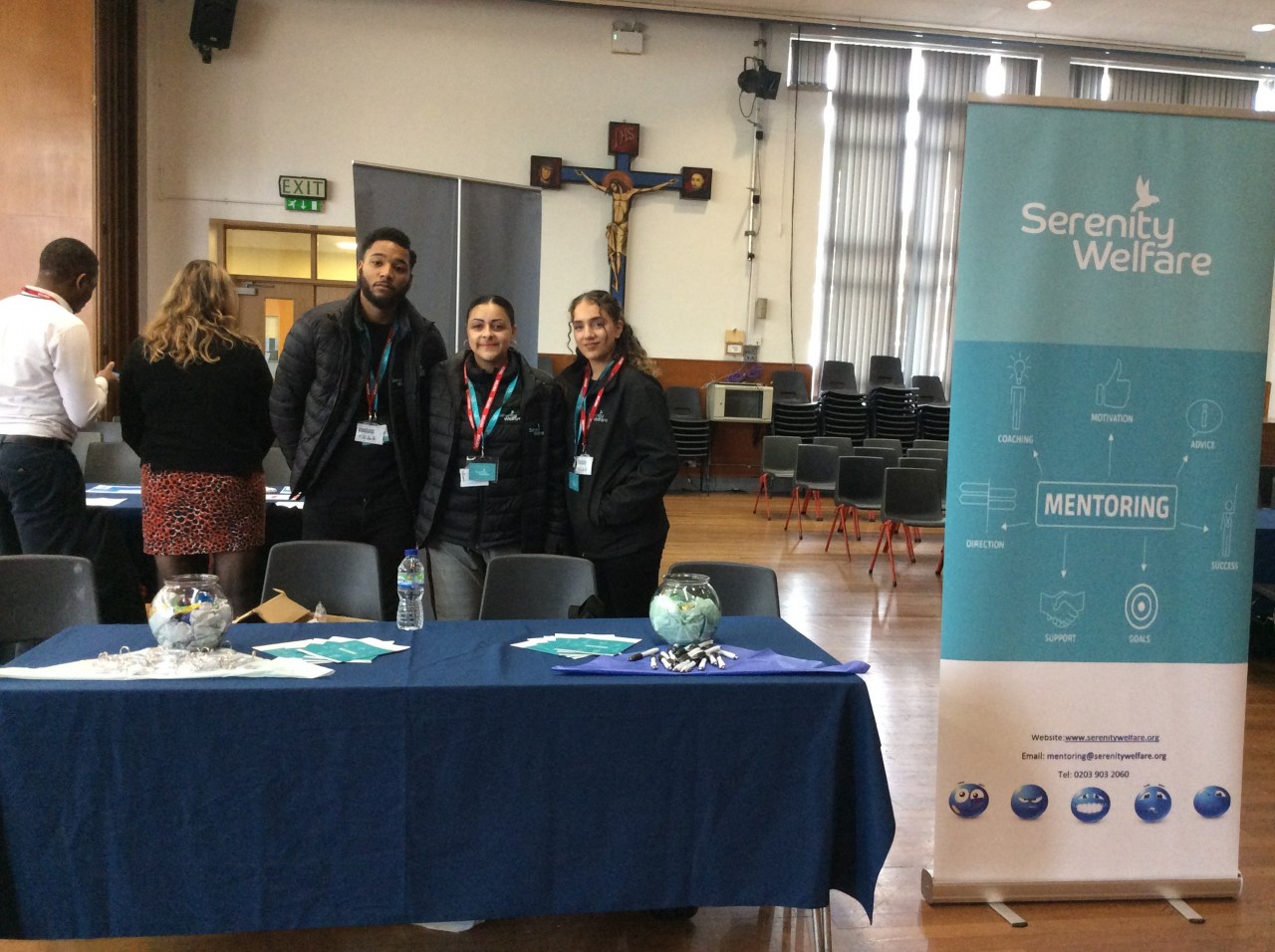
A great day for our Mentoring team at the Careers fair, St. Ignatius College, Enfield.
Great to meet so many bright and enthusiastic students....
Serenity Welfare with A.P. Academy, Octagon
Chris Priest | 25th February 2019 |
General Articles

As serenity Welfare began working closely with AP Academy Octagon our CEO Emily Aklan realised the young people attending the Academy could benifit from more computers.
In true Emily style, within 2 days here she is donating new laptops on behalf of Serenity welfare.
We are looking forward to a fantastic future working alongside AP Academy Octagon....
Serenity Welfare's radio adverts
Chris Priest | 04th January 2019 |
General Articles
Have a listen to our wonderful radio adverts....
Children in care will be driven to appointments in luxury Mercedes-Benz
Chris Priest | 03rd September 2018 |
General Articles
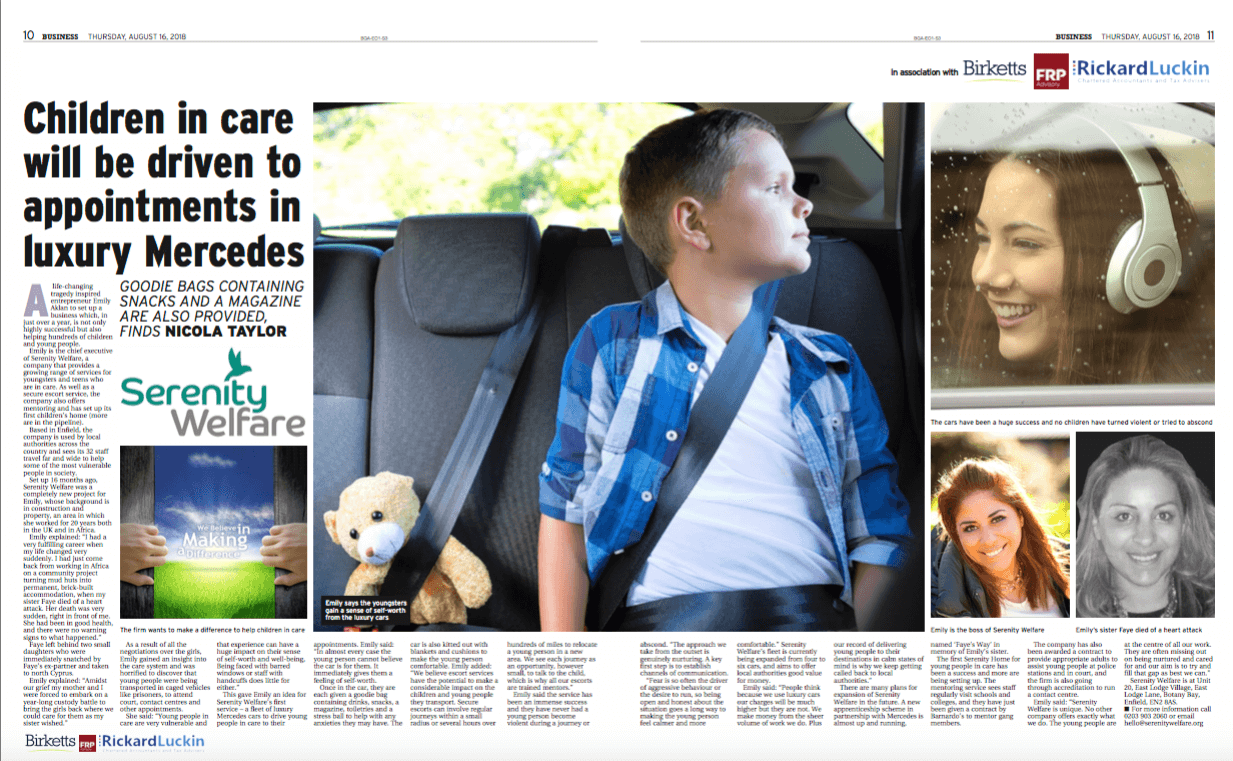
...
Our Founder talks to Care Appointments
WebBoss Design | 09th August 2018 |
General Articles
Emily Alkan talks to Care Appointments about how a sense of self worth is more powerful than handcuffing children & young people.
Read the full article...
Remembering Grenfell
WebBoss Design | 09th August 2018 |
General Articles
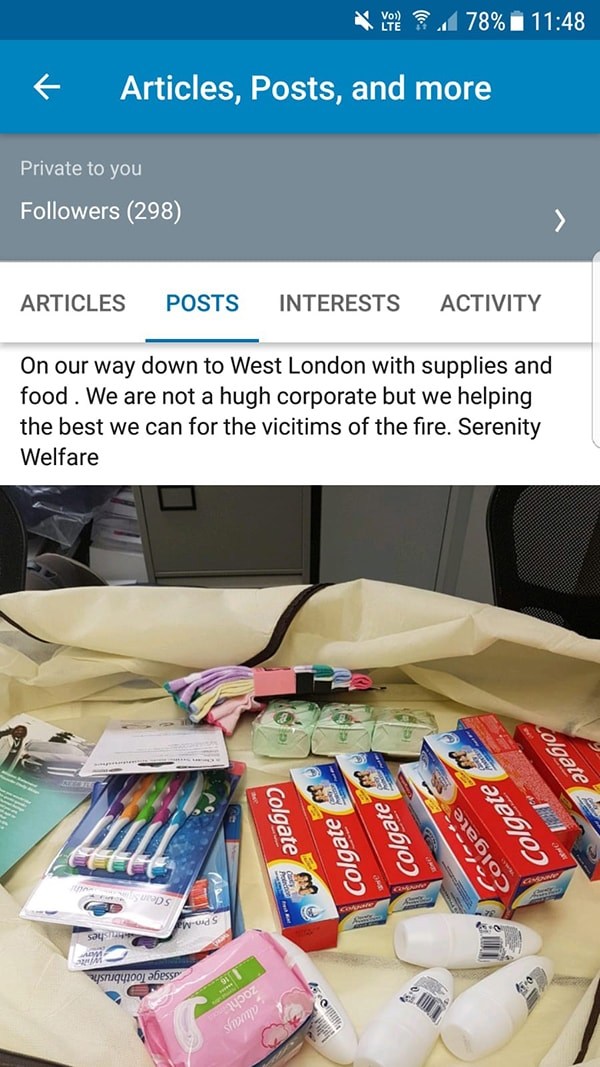
One year on from the Grenfell tower fire – remembering those who lost their lives....